


Client
Cincinnati Art Museum
—
Services
Brand Identity
Print
Strategy
Illustration
Environmental
—
Industry
Arts & Culture
Civic
Challenge
Designed for the Cincinnati Art Museum. Kabuki origins date back to 1603 when a female dancer named Okuni, began performing a new form of drama in the dry riverbeds around Kyoto. The name means “out of the ordinary”, “avant-garde”, a “bizarre” theatre. With its extraordinary makeup, lavish costumes, and sets that sometimes go all day, kabuki remains a largely unknown form of theatre in the west. Our challenge was to define and communicate key elements of the Kabuki theater by developing an authentic and modern identity system.
Solution
Studio Piko conducted a two-month research phase to study kabuki's rich history, symbology, acting styles, and play structure. Three major acts were then selected to create the identity structure—jo, a slow opening that introduces the plot and characters, ha, a dramatic sequence followed by kyū, a brief conclusion.
Next, Studio Piko created an icon system highlighting key aspects from each of the three acts, including actor costume and posture, makeup, and the instruments played during climactic moments. The icon system is complemented by painted kanji characters and thick vertical dividers, reminiscent of the Japanese art of the Edo period.
Together, all the elements create a dynamic identity that can be combined to create modular logo applications, event posters, and even particular moments of the play. This modular approach is carried through to museum graphics, event stamps, and exhibit materials. Personal project for the Cincinnati Art Museum.
Share
Twitter LinkedIn Facebook

Icon system highlights key characters and their parallel roles in the play structure

Icon detail
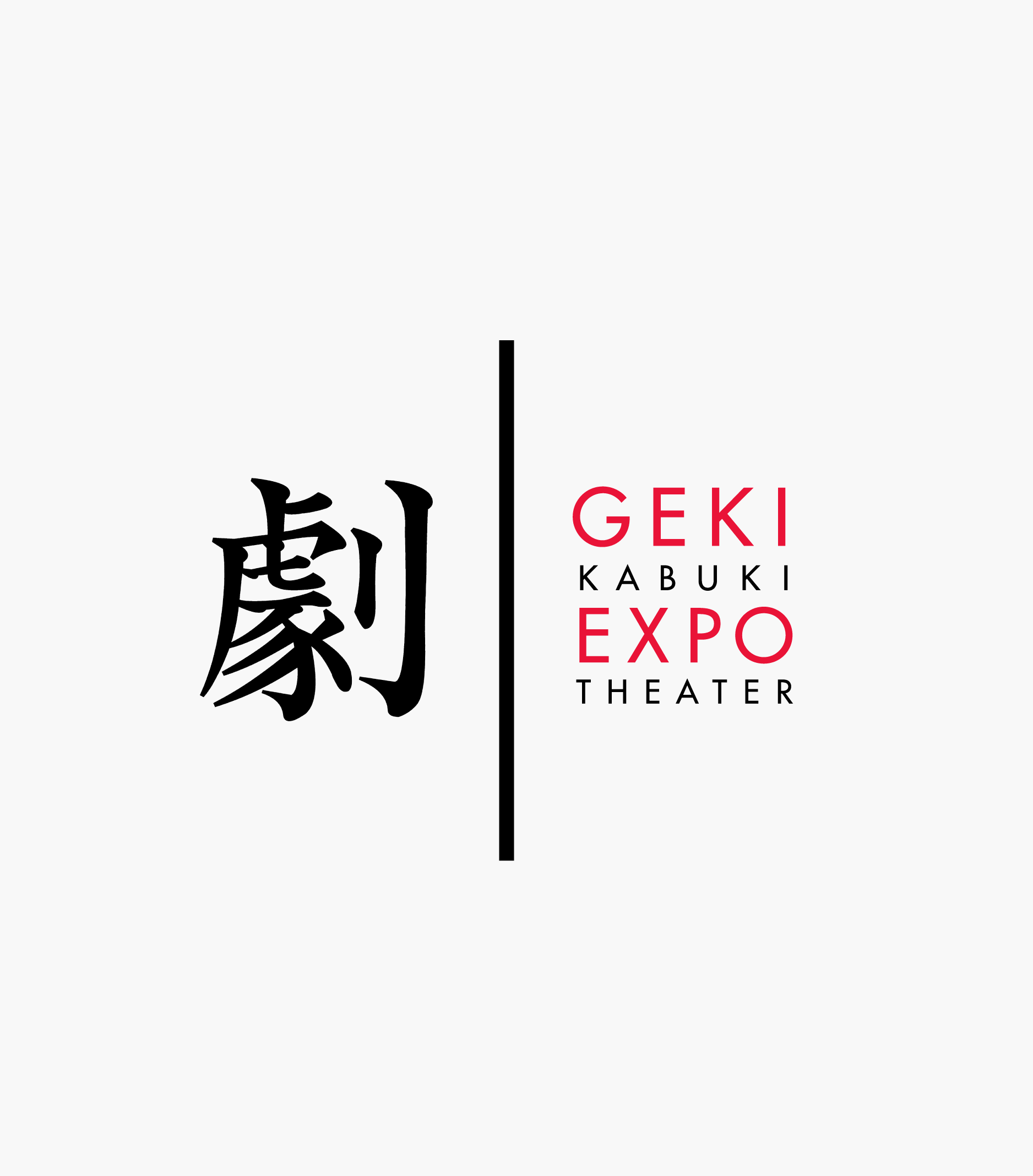
Modular identity combines traditional Japanese art with modern design language
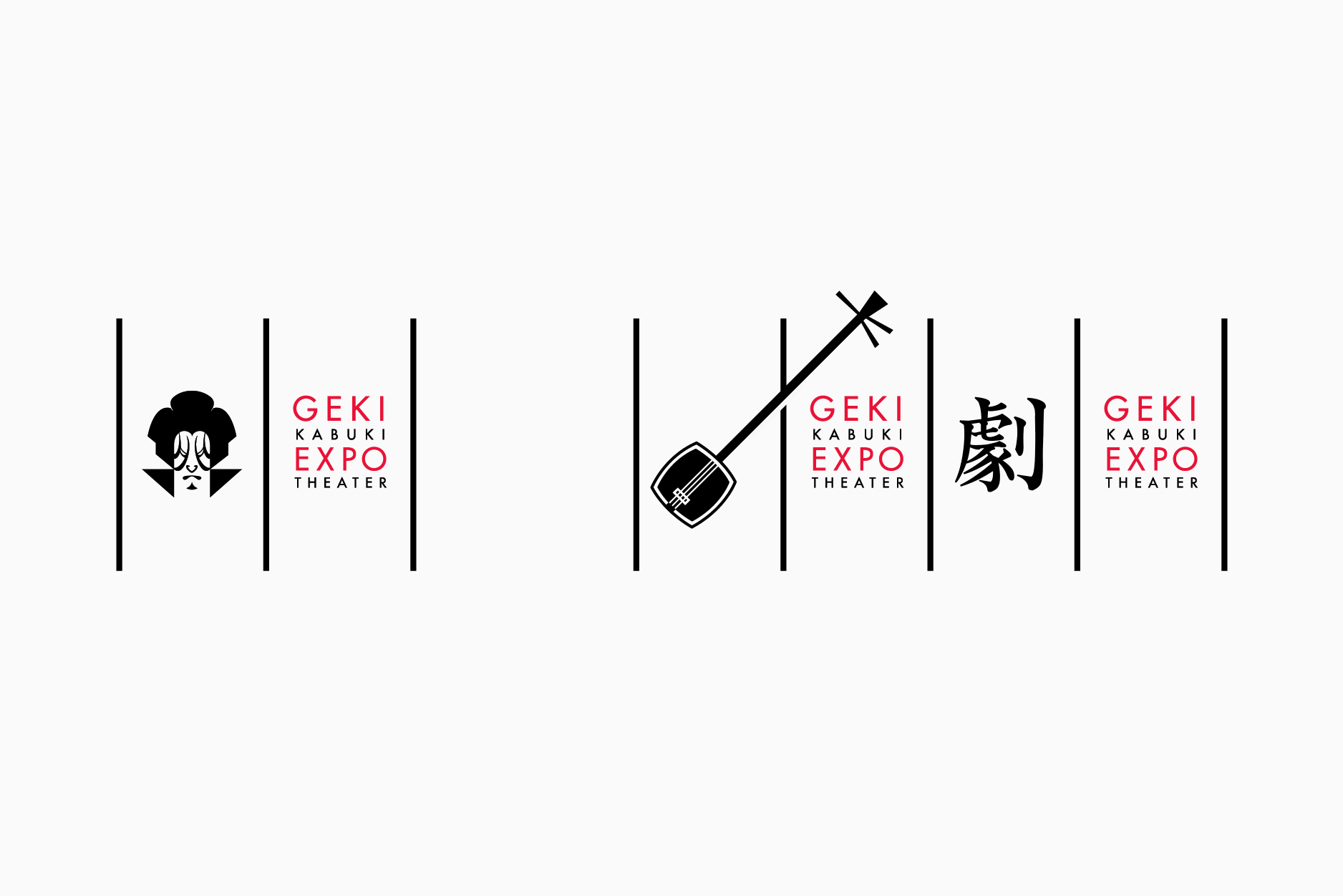
Modular logo applications
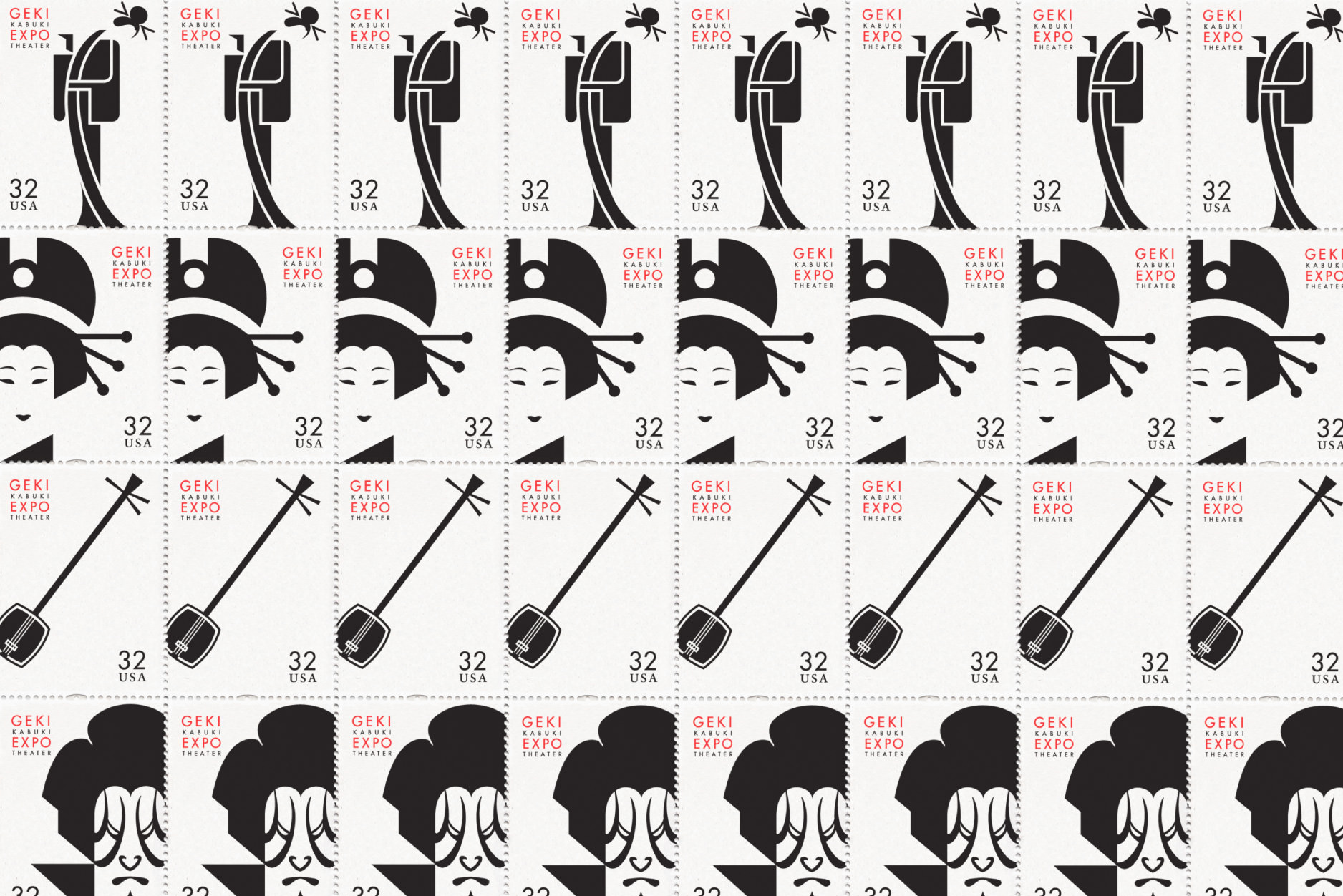
Exhibit stamps
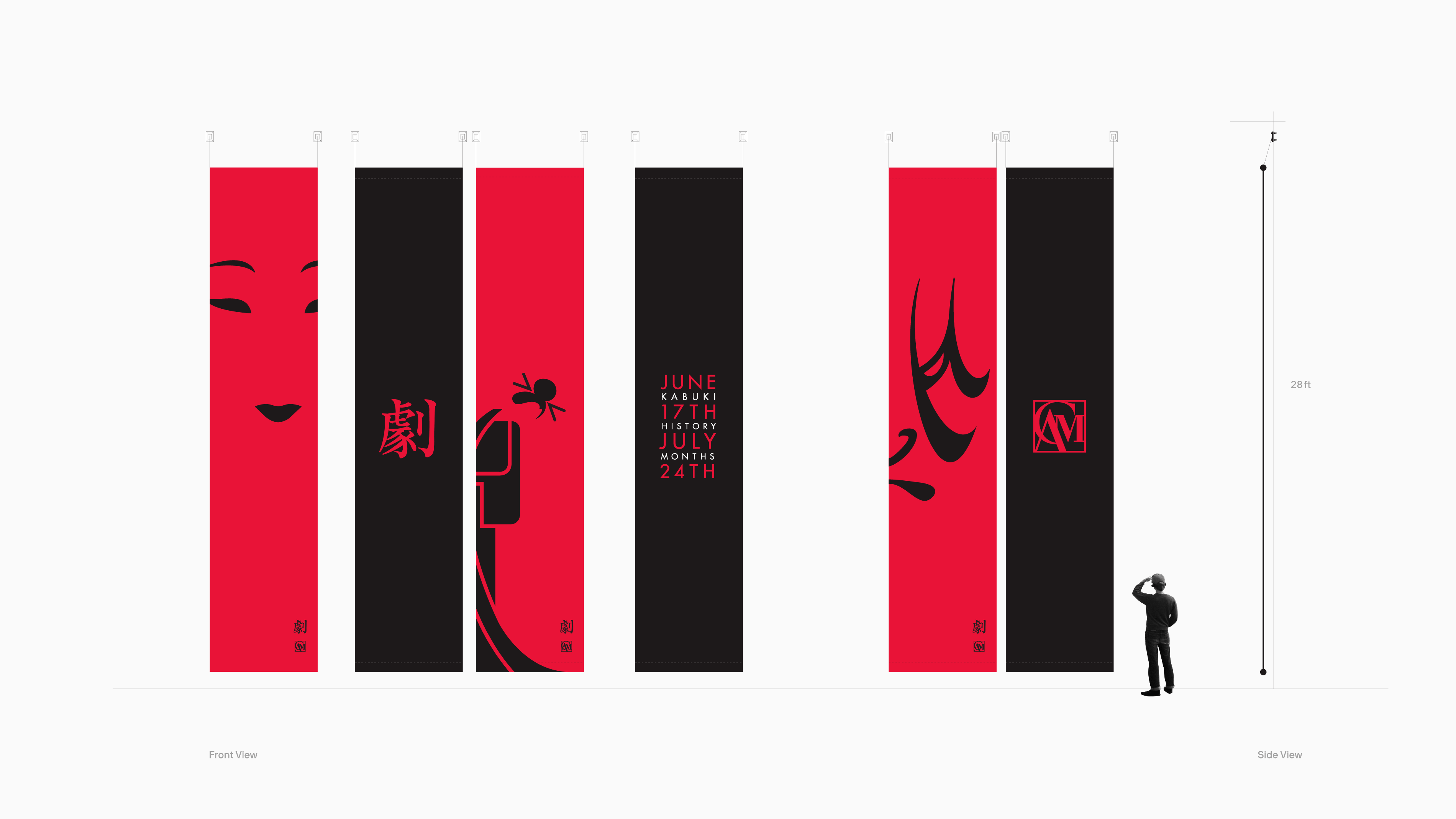
Modular museum graphics echo Japanese art of the Edo period
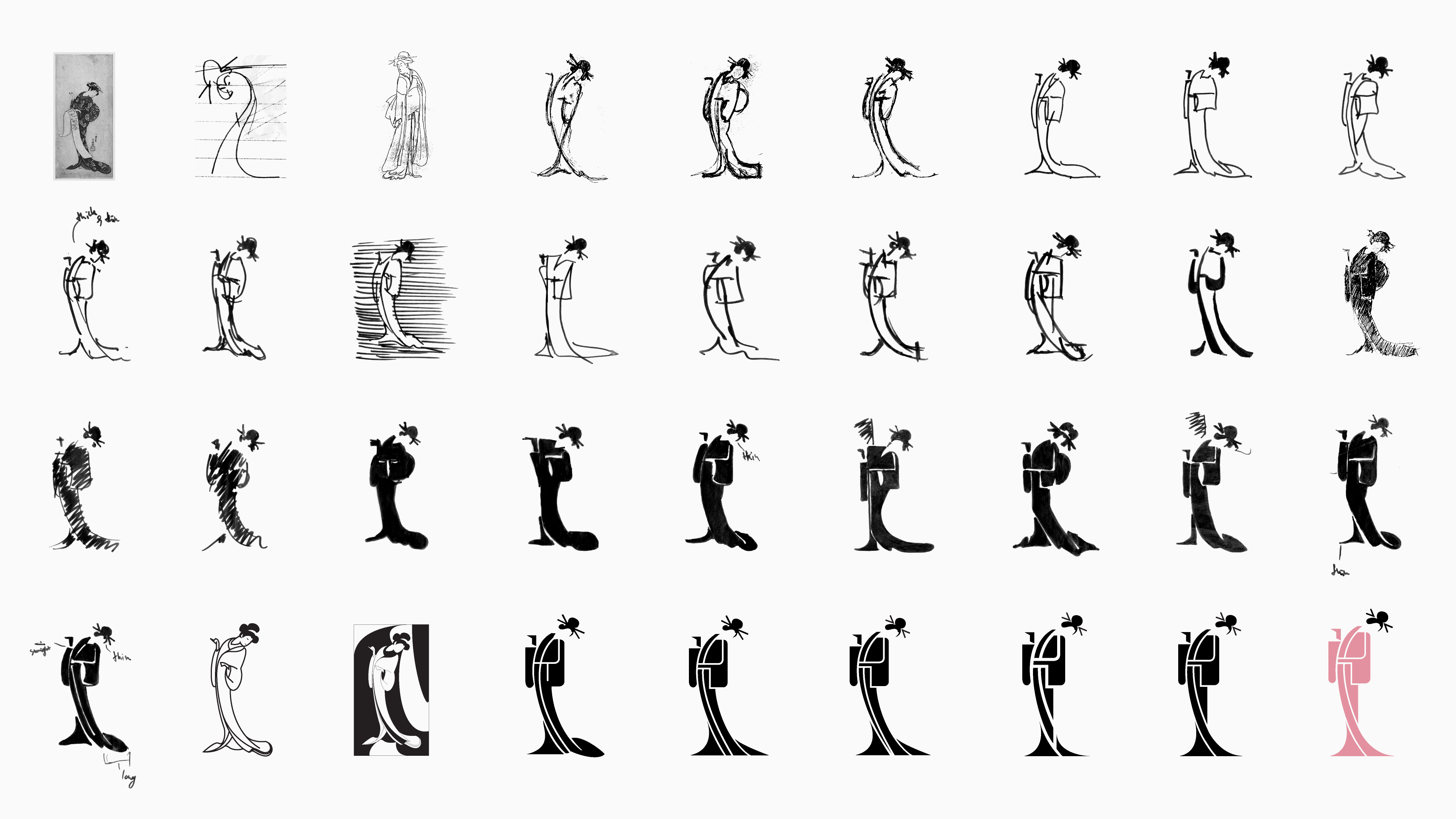
The historical research and process work that goes into one icon
Related

Let’s talk!
info@studiopiko.com
+1 339 927 0405